
Commercial Hail Damage Repair in Greeley, Colorado
Hail can leave dents, cracked parts, and damaged paint across an entire vehicle. Fleet Collision Services repairs commercial hail damage for owner operators and fleet managers in Colorado and across the United States.
20+ Client Reviews
Let’s Get In Touch
"*" indicates required fields

What Hail Does to a Commercial Vehicle
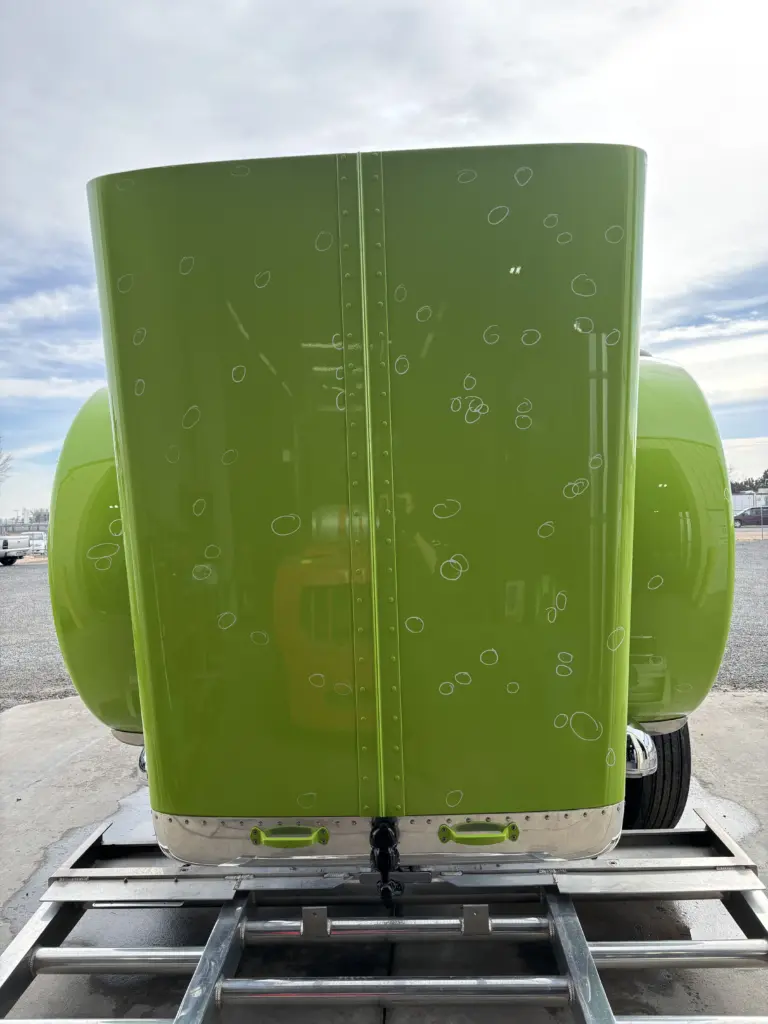
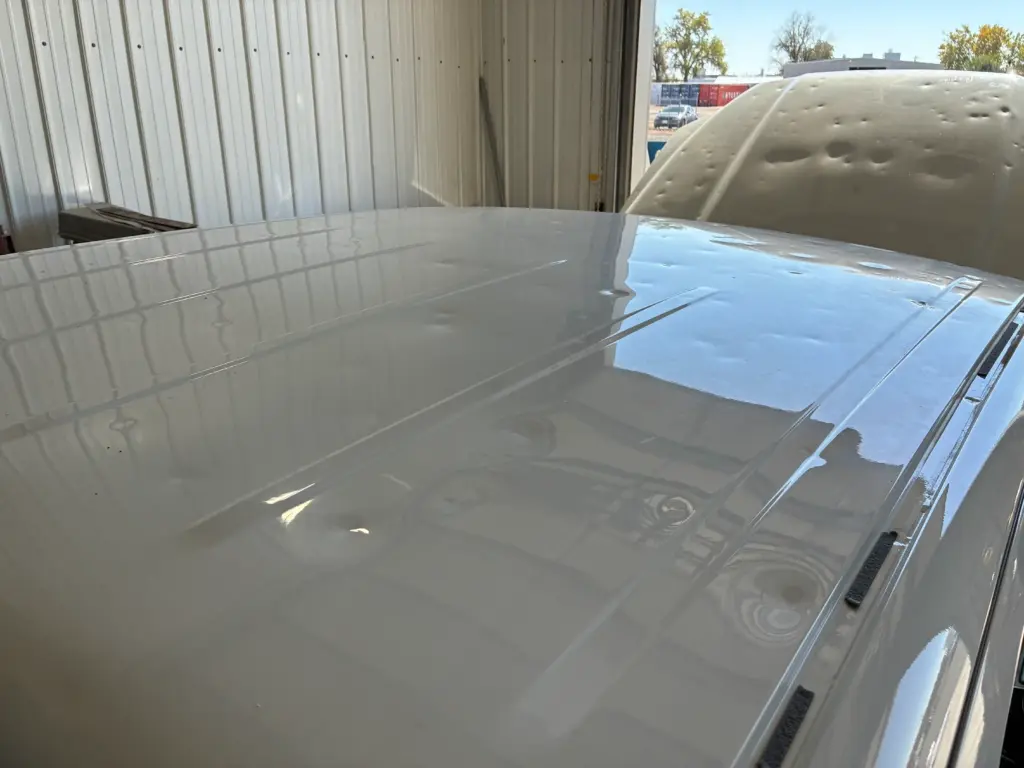
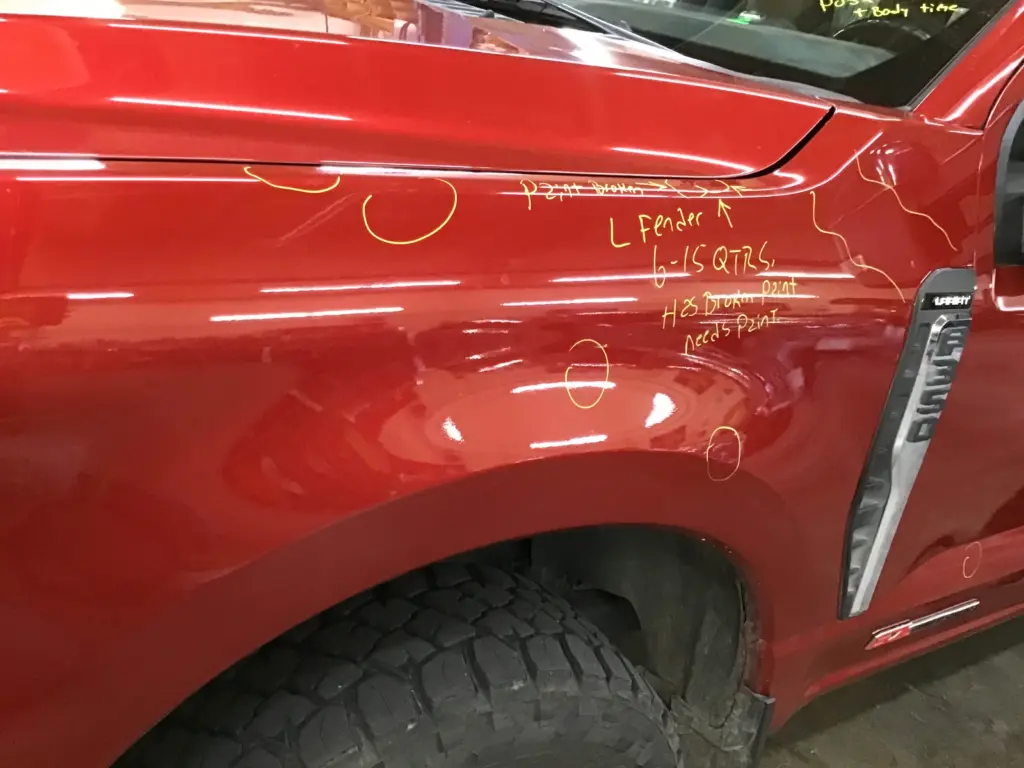
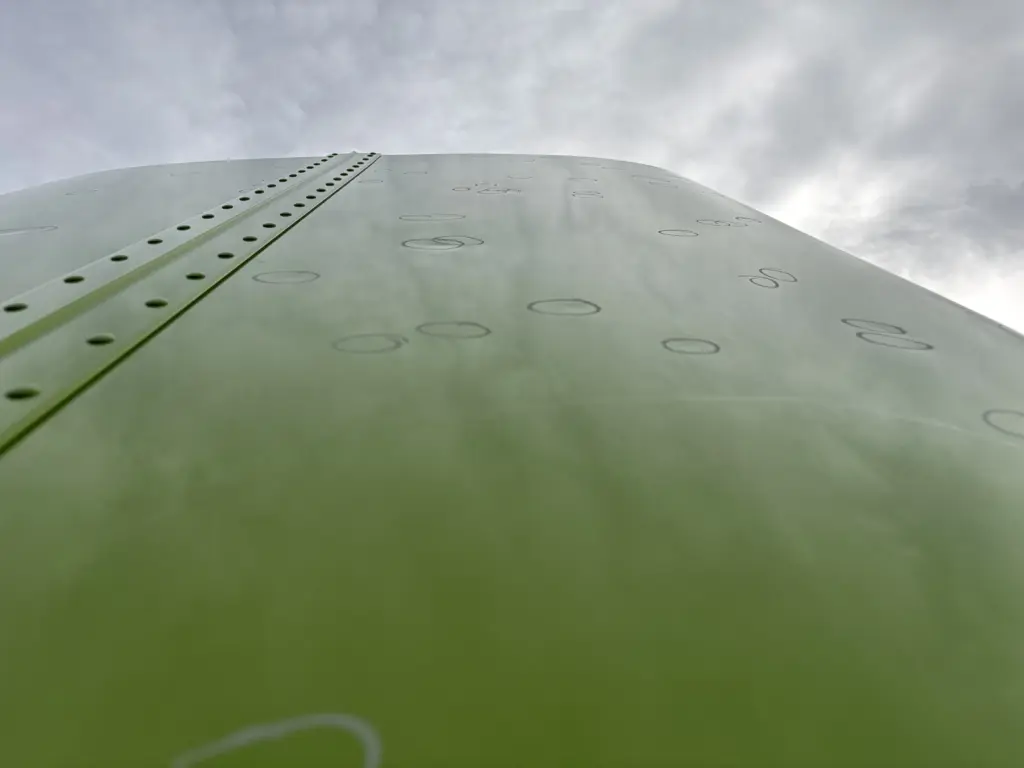
Hail causes dents in metal surfaces such as roof panels, fenders, cabs, sleepers, and hoods. Fairings, trim pieces, and light lenses can crack from larger hail. Some damage is easy to see. Other damage takes a closer inspection.
Hail can strike exposed roof panels, cab tops, and upper body sections from many angles. Hail damage on a truck parked in an open yard may look different than damage from a truck hit on the road. That can leave damage across large areas instead of just one panel.
After a storm, it helps to have the vehicle looked at before repairs are delayed. Small dents and cracked parts are easier to document before the truck goes back into regular service.
Capable of Handling a Yard Full of Damage
One damaged truck is one problem. A yard full of damaged trucks is another.
Fleet Collision Services can work through multiple units with a staged intake so part of the fleet can keep working while other vehicles are being repaired.
Each unit is documented on its own so repairs stay organized from estimate through completion. A dedicated office team keeps customers informed through the repair process.


Paintless Dent Repair vs Conventional Repair
Some hail dents can be pushed out of metal panels without requiring repainting the panel. That is called paintless dent repair. The type of metal, and quantity and severity of dents affects whether paintless dent repair will work.
If the dents are too large or there are too many to cost effectively repair the panel, replacement can make the most sense. This is common with flat surfaces like hoods and roofs. Dents in aluminum are often harder to get out than steel. Pickup roof rails may need conventional body repair if replacement is too expensive and the metal is too stiff for paintless dent repair.
The repair method affects both cost and downtime. A full inspection is needed to determine which method is most appropriate.
Damaged Hood? Keep the truck earning
Ask about a loaner hood so your unit can stay in service while we repair or replace yours.

Working With Your Insurance Claim
Hail claims start with good documentation.
The repair process includes photo documentation and line item estimates to show the visible damage. Hail damage can be hard to see in photos so having the right lighting can make a big difference. If hidden damage is found after repairs begin, supplements can be prepared for the additional work.
Our office team can handle your claim from start to finish. If you provide us with your insurance claim information, we can work directly with your insurance company to ensure your vehicle is repaired properly.
Contact Us
Get Your Hail Damage Looked At
After a major storm, repair shops fill up quickly. It helps to have your vehicle inspected as soon as possible.
Let’s Get In Touch
"*" indicates required fields
Vehicles We Take After a Hail Storm

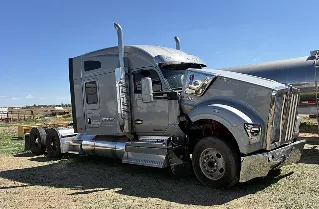
Tractors
Hail commonly damages cab roofs, sleepers, hoods, fairings, and light lenses. A full inspection helps identify damage across exposed upper panels.
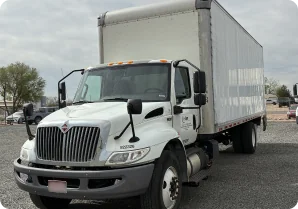
Box Trucks and Step Vans
Large roof areas and upper box panels can collect widespread dents after a storm. Damage should be documented before repairs begin.
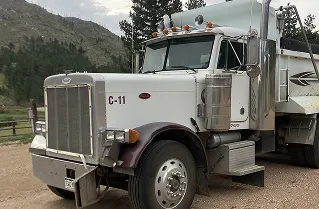
Vocational Trucks
Vocational trucks often spend long hours parked outside. Hail can leave dents across exposed body panels and damage lights or exterior components.
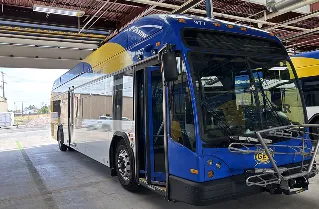
Buses and RVs
Large roof surfaces and upper body panels can take repeated hail impacts. Cracked light lenses, roof units, and exterior panels should also be inspected.
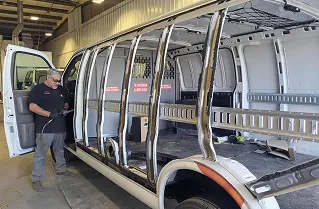
Vans
Roof panels, hoods, and upper body sections commonly show hail dents after severe weather. An inspection helps determine the repair needed.
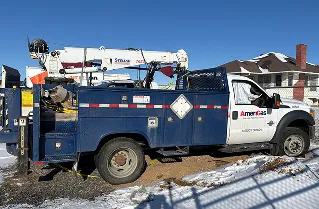
Utility Vehicles
Utility vehicles often remain outside during storms. Hail can damage exposed body panels, cab tops, and exterior lighting.
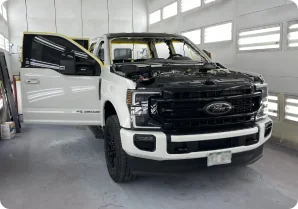
Pickups
Pickup roofs and hoods are common impact areas. Larger hail can also crack light lenses and other exterior parts.
Testimonial
20+ Client Reviews
Frequently Asked Questions
Will my insurance cover hail damage on a commercial truck or trailer?
Insurance coverage depends on your policy. Fleet Collision Services provides photo documentation and line item estimates to support the repair process. If hidden damage is found after repairs begin, supplements can be prepared. Questions about coverage should be directed to your insurance provider.
Can you repair a whole fleet after one storm, or do I bring units in one at a time?
Fleet Collision Services can work with multiple damaged units and use a staged intake so part of the fleet can stay in service while other vehicles are repaired. Each unit is documented separately to keep repairs organized through the process. We can come to your yard for a mobile estimate if multiple vehicles have damage.
Does hail damage on a box truck roof need to be fixed if it is not leaking?
A roof that is not leaking can still have visible hail damage. An inspection helps determine whether the damage is cosmetic or if additional repairs are needed. Damage that may not cause leaks right away might cause issues down the road so it is better to have repairs done up front.
How long will my truck be down for hail repair?
Repair time depends on the amount of damage and the repair method required. Some vehicles may need paintless dent repair only, while others require panel replacement or refinishing. The vehicle is inspected first so the repair plan can be prepared. Roof replacements can take a few weeks if vehicle interiors need to be removed.
Do you do paintless dent repair on aluminum panels?
Yes, although aluminum can be harder to push back out than steel. The depth and location of the dent will determine what is possible.