
Aftermarket Heavy Duty Truck Parts: What to Look for Before You Buy
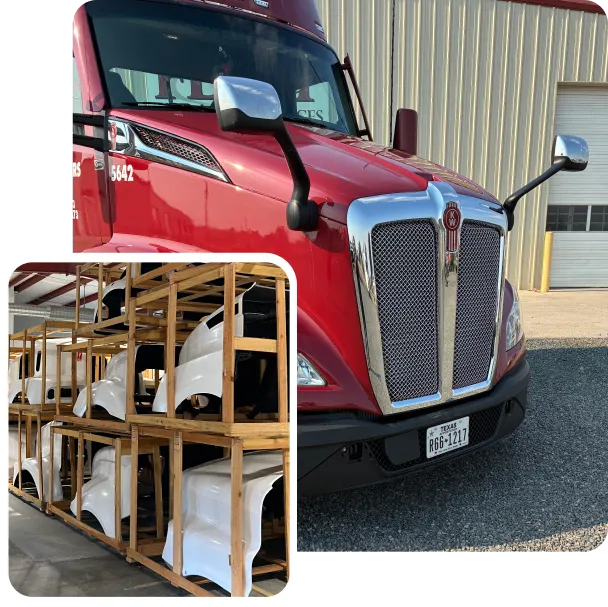
Buying aftermarket heavy duty truck parts requires verifying vehicle compatibility, material quality, mounting specifications, warranty coverage, and supplier availability. Replacement hoods, bumpers, grilles, and fairings must fit correctly to support efficient installation and reliable performance. Comparing technical specifications and total installed costs before ordering helps commercial operators avoid incorrect purchases, unnecessary modifications, and repair delays. […]
Best Heavy Duty Truck Hoods
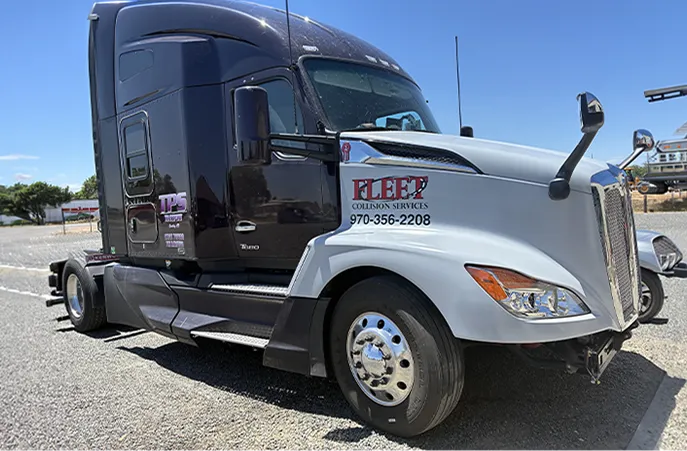
The best heavy duty truck hoods provide vehicle-specific fitment, durable construction, secure mounting compatibility, and reliable replacement availability. Choosing between OEM and aftermarket options requires verifying the truck’s make, model, year, and component configuration. Fleet operators should also consider material quality, freight lead times, painting requirements, and total installation costs before purchasing. Key Takeaways Verify […]
OEM vs. Aftermarket Semi-Truck Collision Parts: What Buyers Should Know
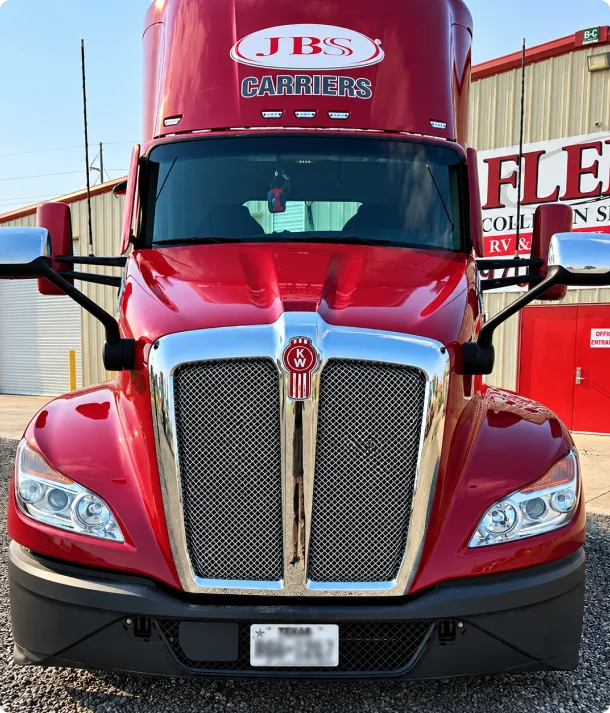
OEM vs aftermarket semi truck parts differ in their sourcing, specifications, pricing, and availability. OEM parts come through the original vehicle manufacturer’s authorized supply chain, while aftermarket parts come from independent suppliers. Both may be appropriate for commercial truck collision repairs, but buyers should evaluate verified fitment, safety requirements, warranty coverage, and total repair costs […]
Semi-Truck Frame Damage: Signs, Repair Considerations, and When to Seek an Inspection
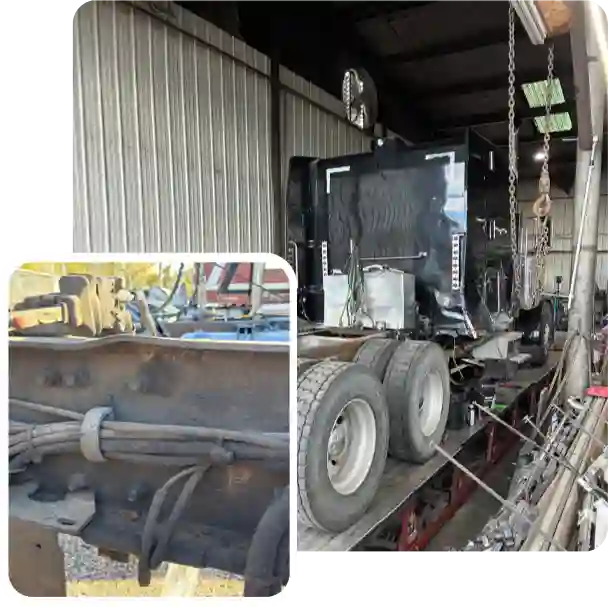
Semi truck frame damage can compromise vehicle handling, alignment, tire wear, and structural integrity. Because frame distortion can occur without visible exterior damage, commercial trucks exhibiting pulling, uneven body-panel gaps, or post-collision tracking problems require specialized inspection. Potentially unsafe vehicles should not return to service before professional evaluation. Key Takeaways Semi-truck frame damage may be […]
How Fleet Managers Can Reduce Downtime After Commercial Vehicle Collisions
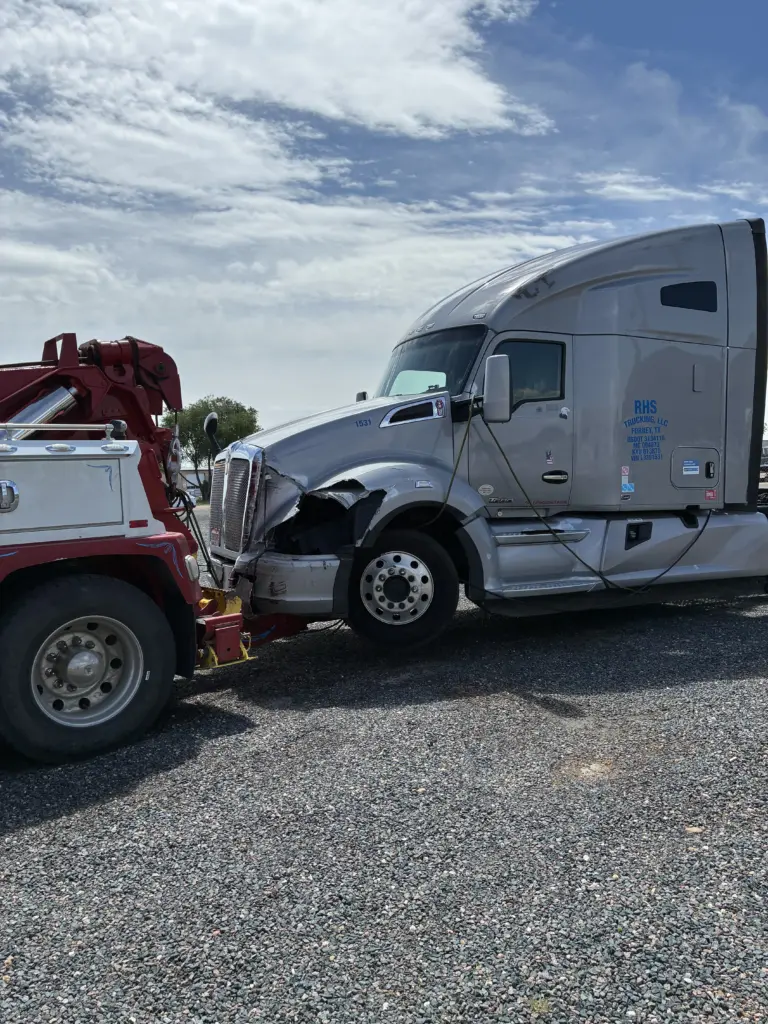
To reduce fleet vehicle downtime, fleet managers should track total out-of-service hours, prioritize repairs by operational urgency, identify replacement parts early, and coordinate repairs with qualified commercial collision facilities. Solutions such as locally stocked replacement parts and temporary loaner hoods can also help keep eligible trucks operating while repairs are completed. Key Takeaways Measure total […]
What to Do After a Semi-Truck Collision in Colorado: Commercial Fleet & Owner-Operator Guide
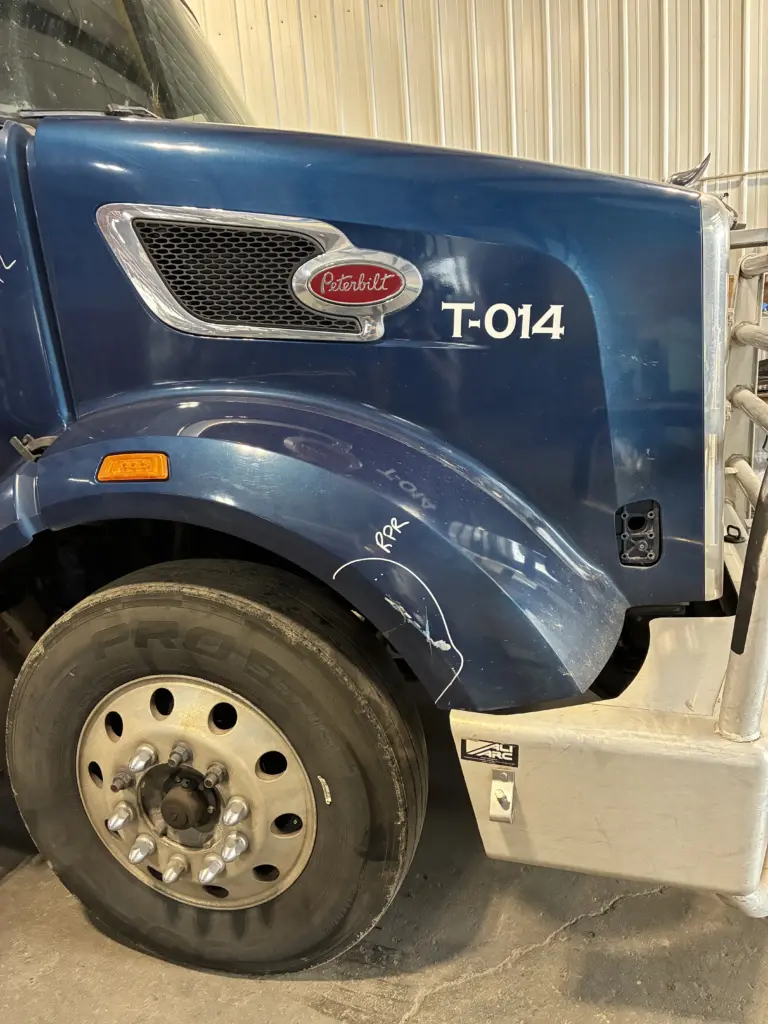
After a semi-truck collision in Colorado, the next steps involve documenting the accident, initiating an insurance claim, notifying the appropriate carrier representatives, and arranging a professional damage assessment. For owner-operators and fleet managers, organized records and coordinated repairs can help simplify the claims process, identify necessary repairs, and minimize avoidable vehicle downtime. Key Takeaways Organize […]